

Mayan Route
Experience the Mayan World
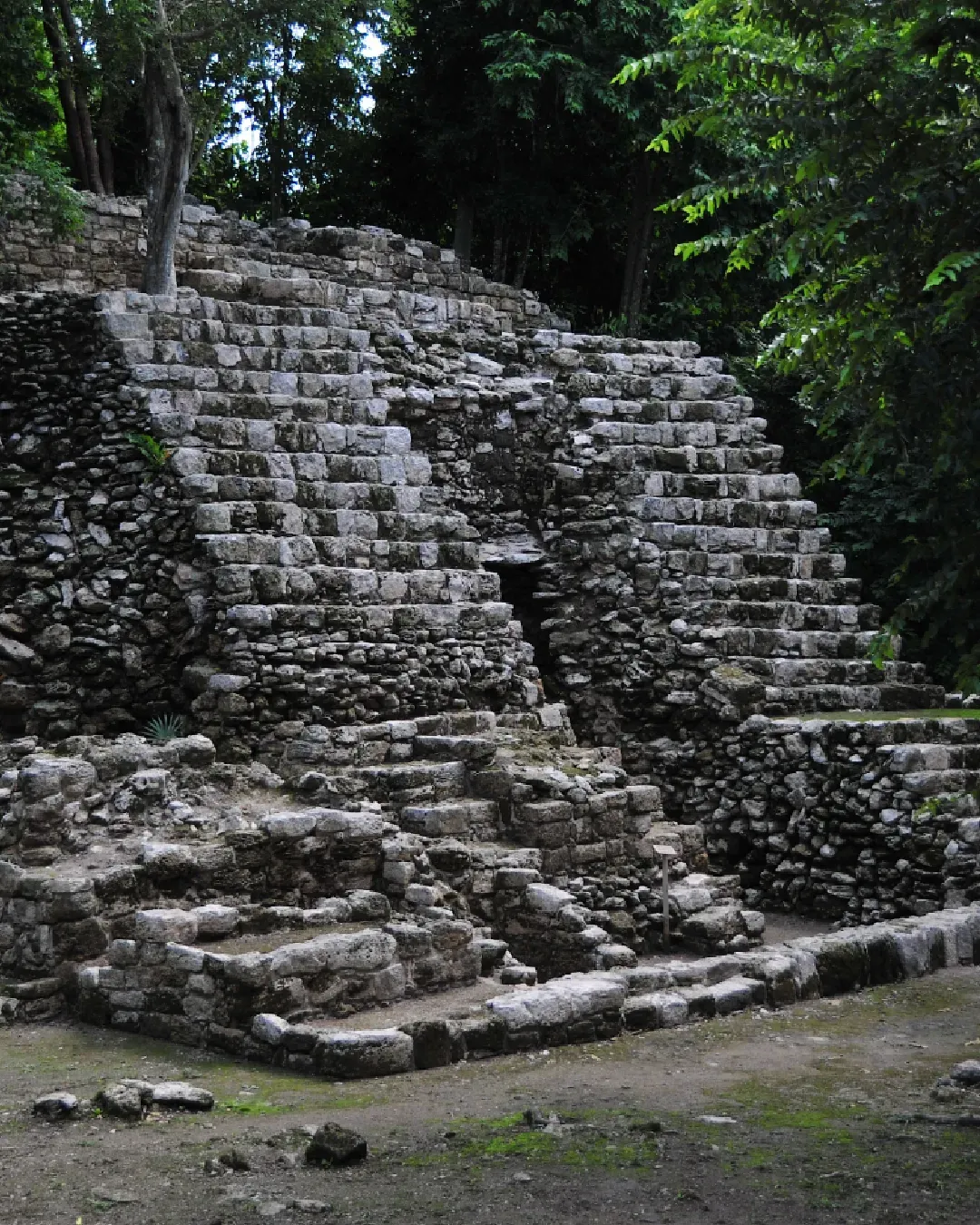
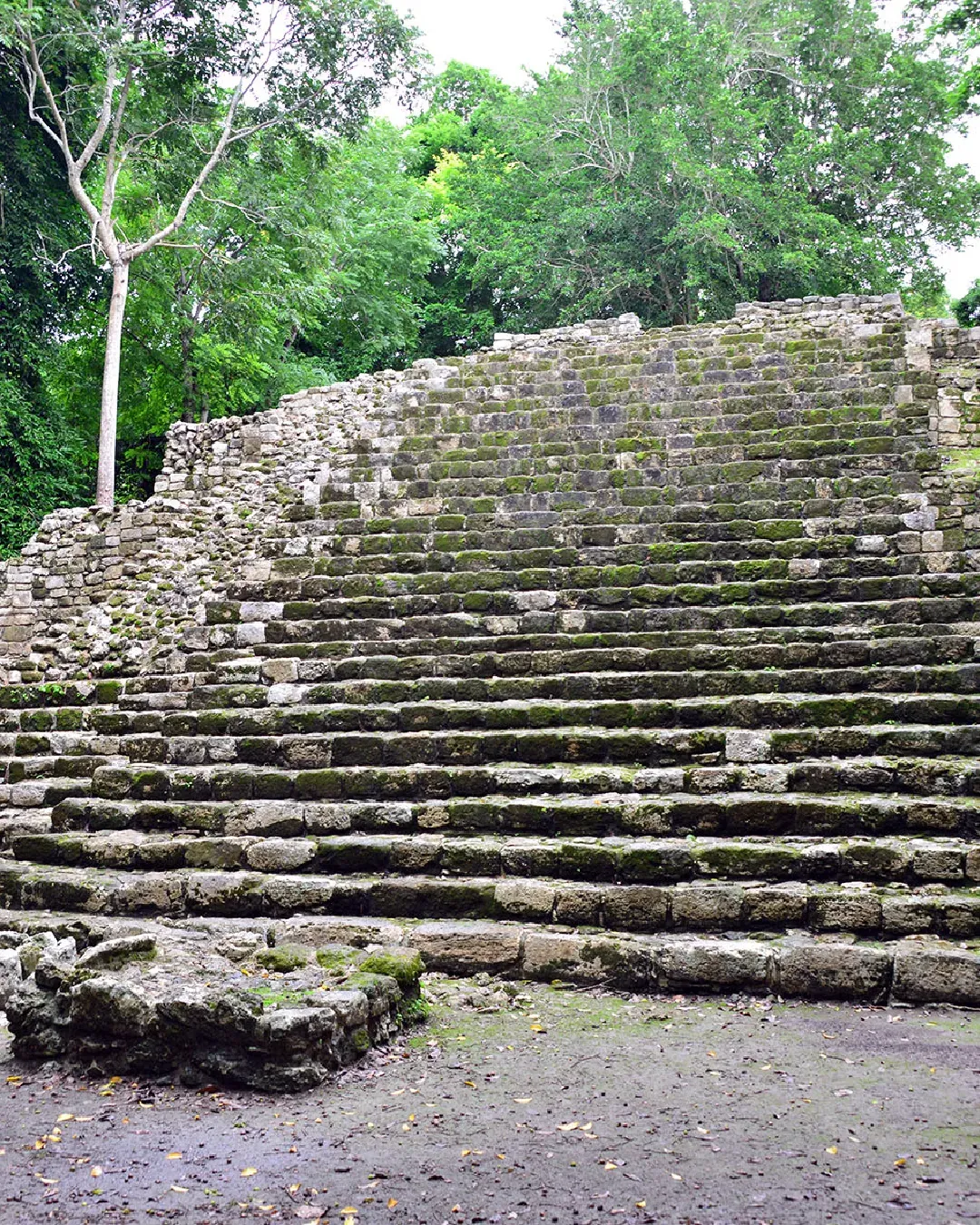
Just a few minutes from Chetumal, the capital of the state of Quintana Roo, lies the Oxtankah Archaeological Zone, one of the most important Mayan settlements in the southern part of the peninsula. It is estimated that this city flourished during the Early Classic period (200–600 AD), a time when key structures were built along the Chetumal Bay coastline, serving strategic political and commercial functions.
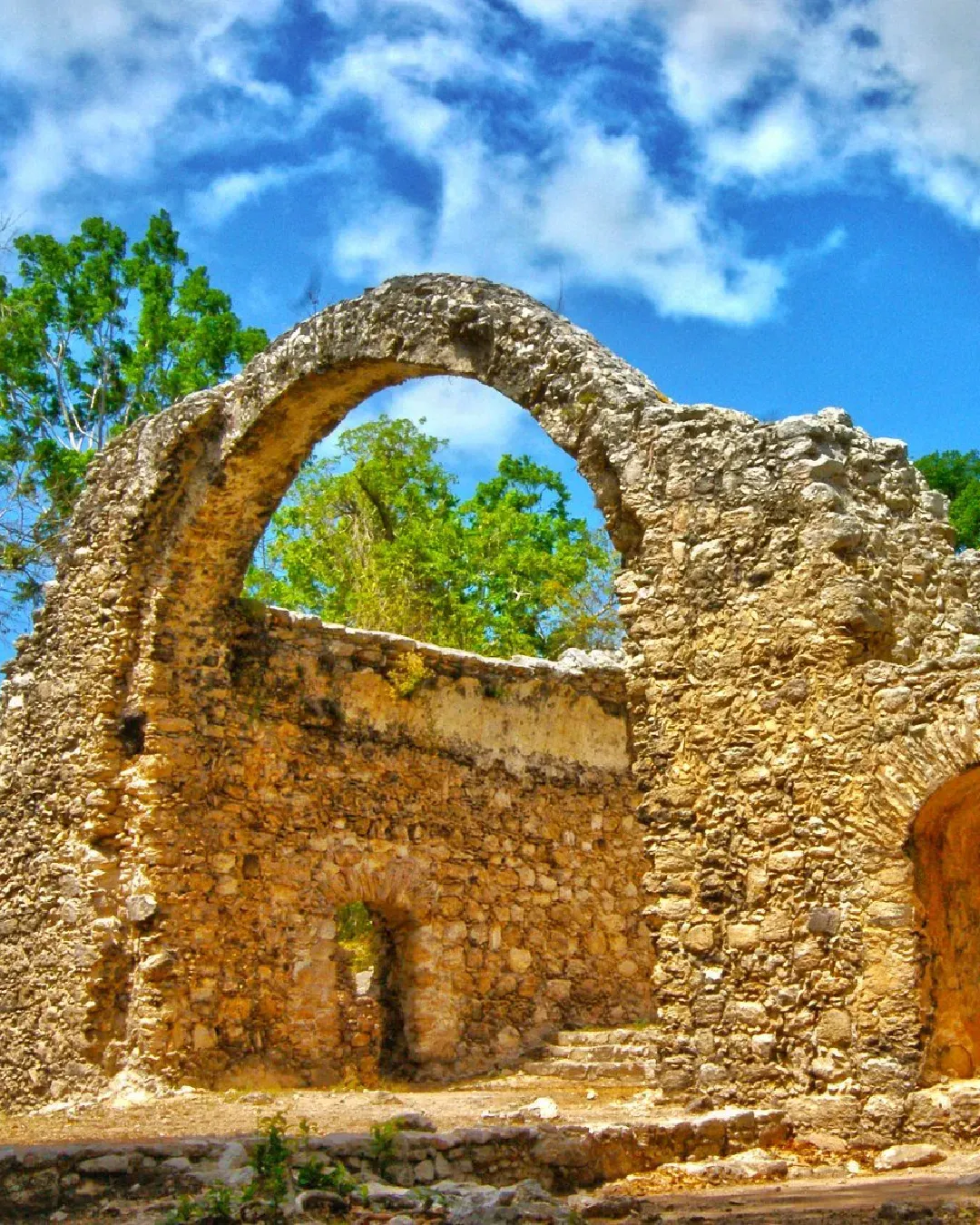
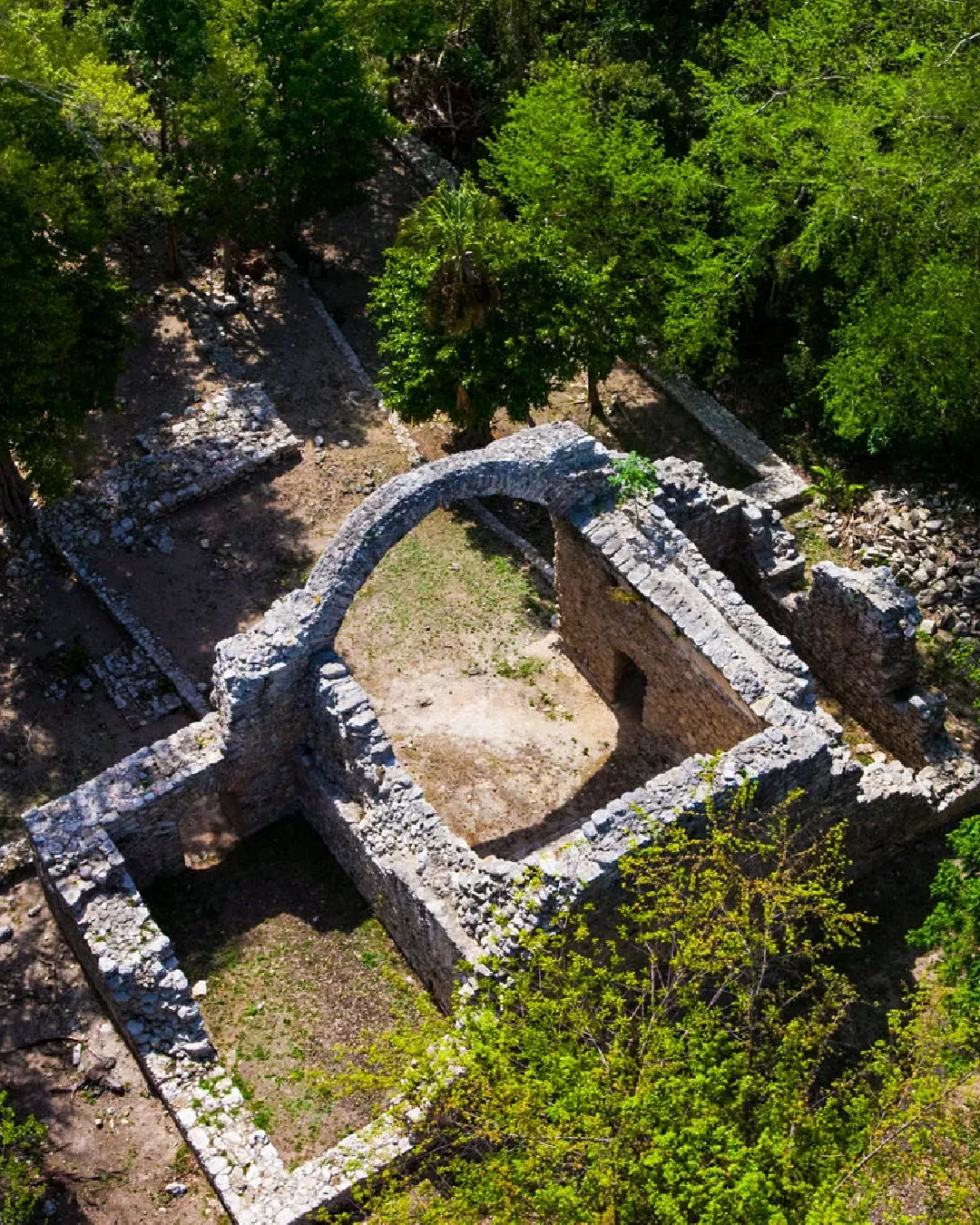
Oxtankah stands out not only for its pre-Hispanic remains but also for housing the ruins of one of the first Catholic churches built after the arrival of the Spanish, making it a unique site of cultural and historical value. Although the original name of the settlement is unknown, in 1937 the researcher Alberto Escalona Ramos named it Oxtankah, a term of Mayan origin meaning "place surrounded by ramón trees," a species that blooms during the summer. Some specialists maintain that this site corresponds to the ancient Chactemal, mentioned in various historical chronicles.
Tradition holds that the union between the Spaniard Gonzalo Guerrero and the Mayan princess Zazil-Há, daughter of Chief Nachán Can, ruler of Chactemal, took place in Oxtankah. From this union, the first mestizos are said to have been born, which is why Chetumal is recognized as the "Cradle of Mestizaje" (racial mixing).
Access to the archaeological site is easy, taking the Chetumal–Calderitas highway, making it an unmissable visit for those who wish to discover the historical and cultural richness of southern Quintana Roo.